PDF
PDF
Lifecycle approach delivers improved design, efficient service
Takeaways
- Design for Service (DfS) requires industrial enterprises to integrate service considerations into the earliest lifecycle stages to ensure products are optimized for efficient, scalable, profitable service operations.
- The ability to deliver better service enables companies to create new service-based business models (e.g., usage-based or performance-based contracts, extended warranties) that can drive new business and increase profitability.
- Asset-centric, configuration-aware service supported by a PLM-managed digital product passport is foundational to modern Service as Designed business models.
- Service as Designed delivers better, more efficient service, reduces service and warranty costs, and results in higher customer satisfaction and loyalty.
- Extending the digital thread from design into service execution and back into engineering enables continuous product and service evolution and optimization.
Introduction
For modern industrial manufacturers, the role of service has moved from a reactive necessity to a primary strategic differentiator. Providing superior service is no longer just about fixing a broken machine; it is about maintaining asset availability and optimizing resources throughout the full product lifecycle. This shift is fueled by the realization that service-as-a-business models can deliver more profitable revenue streams than traditional product sales alone. Business models such as extended service contracts, leasing, and usage-based “power by the hour” contracts are becoming standard for companies seeking to drive higher margins and deeper customer relationships.
Beyond profitability, emerging regulatory and industry drivers are mandating a more structured approach to service data. Requirements such as digital product passports, right-to-repair legislation, and circular economy initiatives—which focus on reuse, refurbishment, and remanufacturing—require a level of asset intelligence that traditional methods cannot support. To meet these challenges, industrial enterprises must adopt a holistic strategy that bridges the gap between how a product is designed and how it is serviced in the field.
The bottom line is that improved service delivers higher profits, competitive differentiation, and increased customer satisfaction and loyalty.
Design for Service
Design for Service (DfS) is the practice of incorporating and addressing service-related requirements throughout the full product lifecycle, from initial conception to end-of-life. It begins by embedding service requirements within the requirements management process, ensuring full traceability to design decisions from the earliest stages. By including service personnel and their expertise in the up-front design phases, companies can prevent design choices that unintentionally result in service limitations or excessive warranty and maintenance costs.
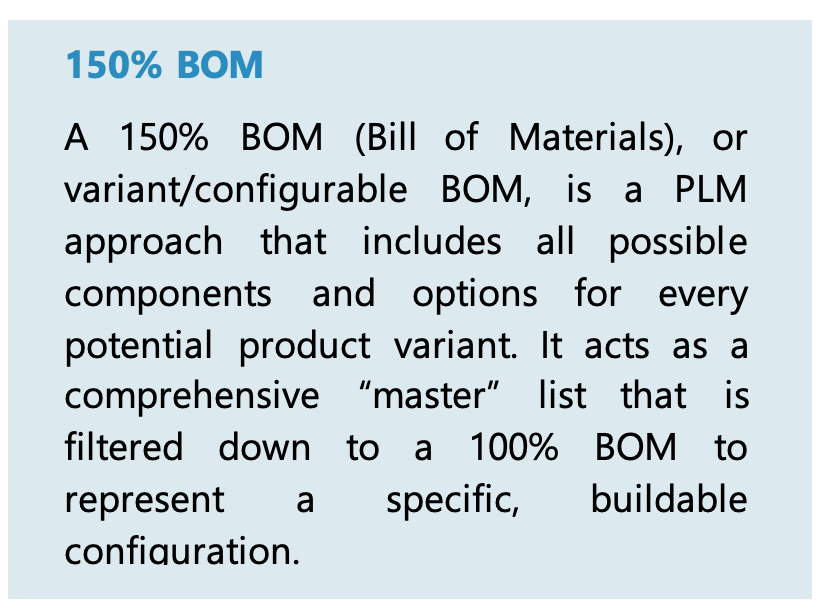
A critical component of DfS is the support of modular architecture. Designing products in a modular manner facilitates faster, easier service and enables more efficient “ReX” strategies, i.e., reuse, repair, remanufacture, and recycle. Within a Product Lifecycle Management (PLM) environment, technical publications such as service and user manuals are linked directly to the product definition information that defines these documents. This associativity ensures that as the Engineering Bill of Materials (EBOM) or CAD models evolve, the Service Bill of Materials (SBOM) and related documentation may be automatically updated. This synchronization allows the creation of configuration-specific instructions, where 150% service instructions are filtered down to the exact 100% configuration needed for a specific asset. Leveraging 3D augmented delivery (screen-based or AR/VR) further improves execution accuracy and efficiency for the technician.
The value of DfS to a company is significant. By addressing serviceability during initial development, manufacturers can eliminate design issues that make in-use service difficult and costly. Linking documentation to the defining source ensures information remains up-to-date and complete, which directly improves first-time fix rates and reduces diagnostic time. Furthermore, modular designs facilitate more efficient spare parts networks, as fewer parts are required to support a wide range of product configurations.
DfS directly improves product quality by addressing serviceability early in the design process.
Service as Designed
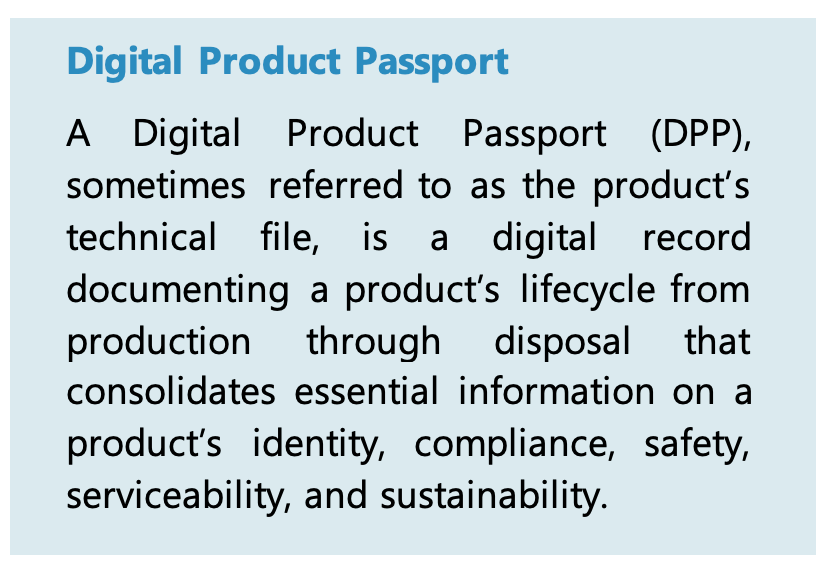
While DfS focuses on how products are designed for serviceability, “Service as Designed” ensures that service execution aligns with that design intent. This approach is fundamentally asset-centric, meaning it maintains up-to-date configuration information for every individual unit in the field. By publishing a digital product passport (DPP) from the PLM system to a physical asset system of record, organizations can track asset performance, service history, and location with high precision.
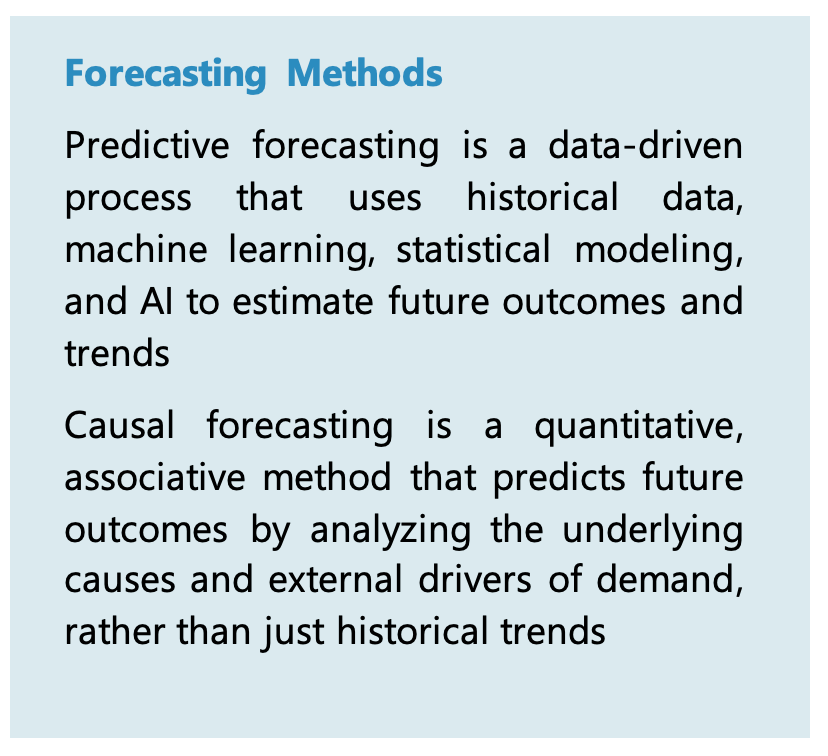
Service as Designed allows companies to define the most efficient type of delivery—whether remote, field, or central—based on real-time data. It integrates predictive and causal forecasting by utilizing asset-specific data such as serial numbers, duty cycles, and condition-based monitoring. In a field service setting, this intelligence enables technicians to arrive at a site with the correct up-to-date instructions and the exact parts required for that specific asset configuration.
The organizational benefits of Service as Designed include improved asset uptime and in-service performance (reduced service calls), optimized technician usage and a reduction in the overall cost of warranty and service. By improving forecasting accuracy and asset intelligence, companies can reduce unnecessary inventory and optimize their service part locations. Additionally, the ability to perform remote triage reduces failure modes before a technician is even dispatched, further enhancing service efficiency, reducing cost, and improving customer satisfaction.
Closing the Loop for Data-Driven Design
The ultimate goal of connecting PLM and Service Lifecycle Management (SLM) is to establish a closed-loop feedback system. By capturing a digital record of service activities, technician actions, and inventory movements, companies gain a complete understanding of what has happened to an asset and why. This maintains an accurate relationship between the original PLM configuration definitions and the serialized physical assets in the real world.
Figure 1 illustrates the product lifecycle phases and their functional activities. Feedback from service to design is a core capability required to enable a data-driven design paradigm.
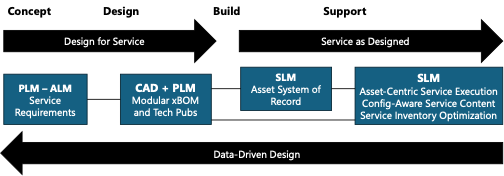
Figure 1: Design for Service—Service as Designed Lifecycle
Feeding this operational data back into engineering through the digital thread drives continuous product evolution. Engineers can interrogate real-world performance data to identify recurring issues or opportunities for improvement when designing next-generation products. This loop reinforces the DfS process with empirical evidence, ensuring that future designs are increasingly reliable and easy to service. By linking PLM design recipes with real-world serial numbers and VINs, the digital thread ensures that the entire lifecycle remains synchronized and optimized.
Conclusion
Improving product service is a multi-dimensional challenge that requires both a proactive design strategy and a data-driven execution model. Design for Service and Service as Designed are two sides of the same coin, and both contribute significantly to the overall success of an industrial enterprise. By bridging the gap between engineering and service through a unified digital thread, companies can reduce costs, meet emerging regulatory requirements, improve product quality, increase customer satisfaction, and create new, profitable business models.
CIMdata recommends that industrial enterprises evaluate their current service strategies and evolve their processes to incorporate these lifecycle-centric principles. Embracing a configuration-aware, asset-centric approach is essential for making service meaningful.