PDF
PDF
Enabled by Dassault Systèmes 3DEXPERIENCE® Platform
Key Takeaways
- Businesses must explore transformative approaches to streamline product development to navigate the challenges of today’s world such as evolving customer needs, increasing product complexity, changing regulations, and escalating focus on sustainability.
- An integrated approach on a single platform that manages requirement specifications, simulations, and testing, ensuring traceability and enabling better decision-making can be immensely valuable to mitigate these challenges.
- MODSIM technology and processes from Dassault Systèmes’ unifies modeling and simulation on a common data model within the 3DEXPERIENCE platform, streamlining workflows and enabling rapid design iterations. Through templates and approved workflows, MODSIM makes simulation more accessible to designers and non-experts, allowing for early identification and resolution of potential issues, reducing design rework in later stages of product development.
- Leveraging MODSIM on the 3DEXPERIENCE platform, on-cloud or on-premises, has the potential to reduce product development time by reusing existing data and automating tasks like mesh generation and design updates. A shared platform can facilitate seamless communication and data exchange between design and engineering teams, leading to faster issue resolution and better design decisions.
Introduction
Businesses are facing intense pressure to digitally transform their operations and stay competitive in the modern world. Rapid technological advancements, unpredictable markets, evolving regulations, and a growing focus on sustainability require strategic responses. Companies must adapt quickly to these changes, accelerate product development cycles, and deliver innovative, sustainable products to meet evolving customer demands. However, traditional engineering approaches, often characterized by siloed teams, data management complexities, and reliance on physical prototypes, hinder businesses' ability to meet these demands.[1]
Organizations must embrace transformative approaches that streamline product development processes, foster collaboration, and accelerate time-to-market to stay ahead of the curve. Their digital environment must enable them to capture their unique knowledge and know-how and ensure democratic access to a “single source of truth” for everyone involved across traditionally siloed functions such as requirements, architecture, validation and verification, modeling and simulation, manufacturing, quality assurance, change management, and potential reuse/recycling. An integrated approach that connects people, processes, data, and systems is essential for success.
Dassault Systèmes MODSIM
Dassault Systèmes’ MODSIM, which stands for MODeling and SIMulation, offers a compelling approach to address digital transformation requirements by unifying modeling and simulation on a common data model and within a single-user experience on the 3DEXPERIENCE platform. MODSIM enables simulations to be built directly on a fully parametric 3D design within the platform. By eliminating the need for data transfer and using a unified data model with process automation technology, MODSIM streamlines workflows, allowing for rapid design exploration and optimization within a loop-based process. Consequently, businesses can significantly reduce development time, reducing complex workflows from weeks to days or hours.
Furthermore, MODSIM on the 3DEXPERIENCE platform empowers businesses to manage the ever-increasing complexity of product data. Traditionally, engineering data is scattered across various systems and suppliers, making it challenging to maintain traceability and a single source of truth. MODSIM tackles this challenge by integrating all product development aspects, including requirements, specifications, systems models, and test management, within the platform. This unified approach ensures that all stakeholders have access to the same up-to-date information, fostering collaboration and facilitating better decision-making. Democratization of simulation is another crucial aspect of the transformative potential of MODSIM.
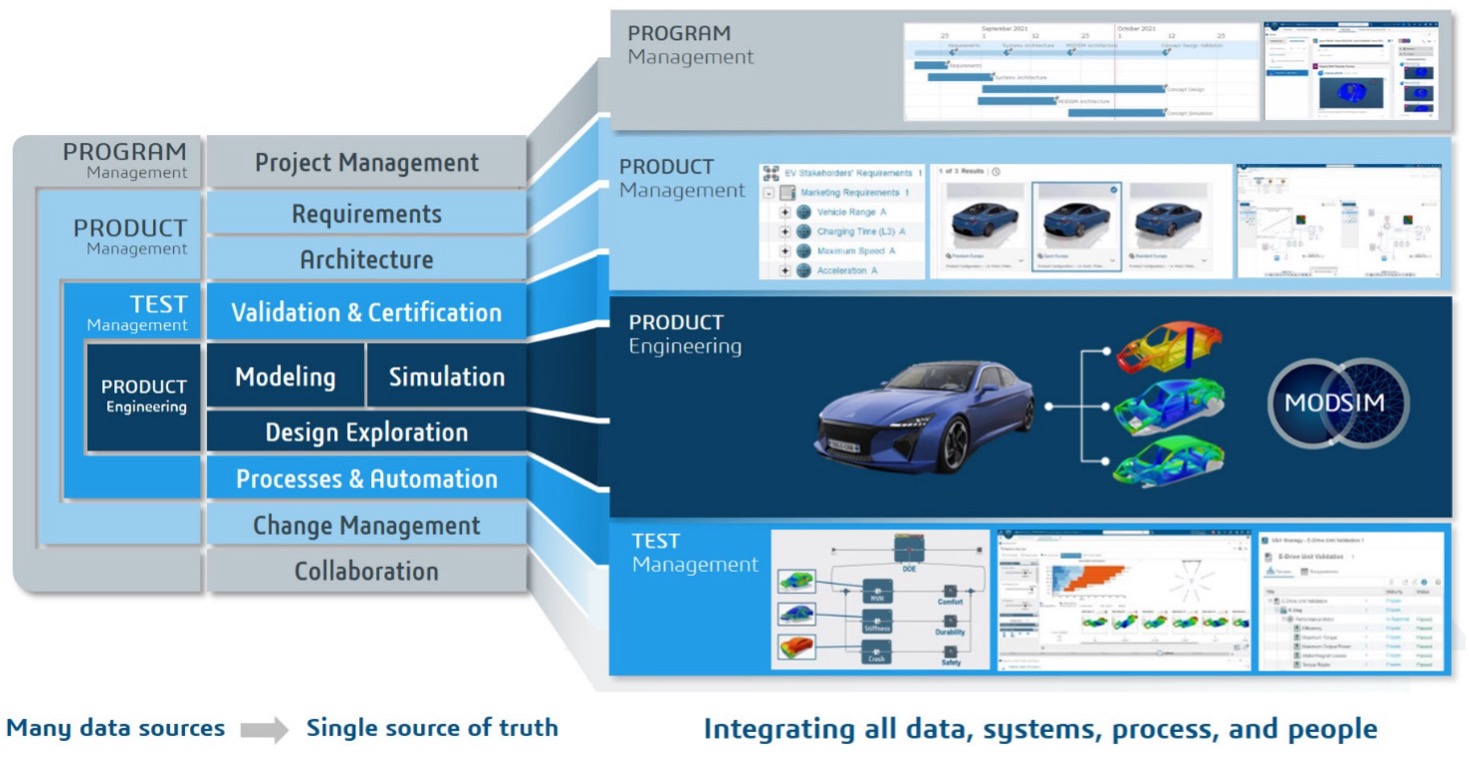
Figure 1—MODSIM on the 3DEXPERIENCE Platform Enables Collaboration, Design Analysis, and Traceability from Requirements to Verification and Validation
(Courtesy Dassault Systèmes)
By making simulation more accessible to designers and non-experts MODSIM can lead to simulation use earlier in the design process. This shift-left approach enables designers to collaborate with simulation experts starting in the concept phase. Modifications to a design automatically generate the corresponding meshing of parts, preserving all predefined boundary conditions and quickly yielding new simulation results. Repetitive routine work can be templatized and automated, avoiding manual errors and enabling designers to focus on design exploration and optimization. Democratization of simulation also frees up experts to focus on complex problems to identify and remedy potential trouble spots. Ultimately, MODSIM has the potential to help businesses break down silos, minimize physical prototypes, and democratize simulation, leading to faster development cycles, reduced costs, and enhanced product quality.
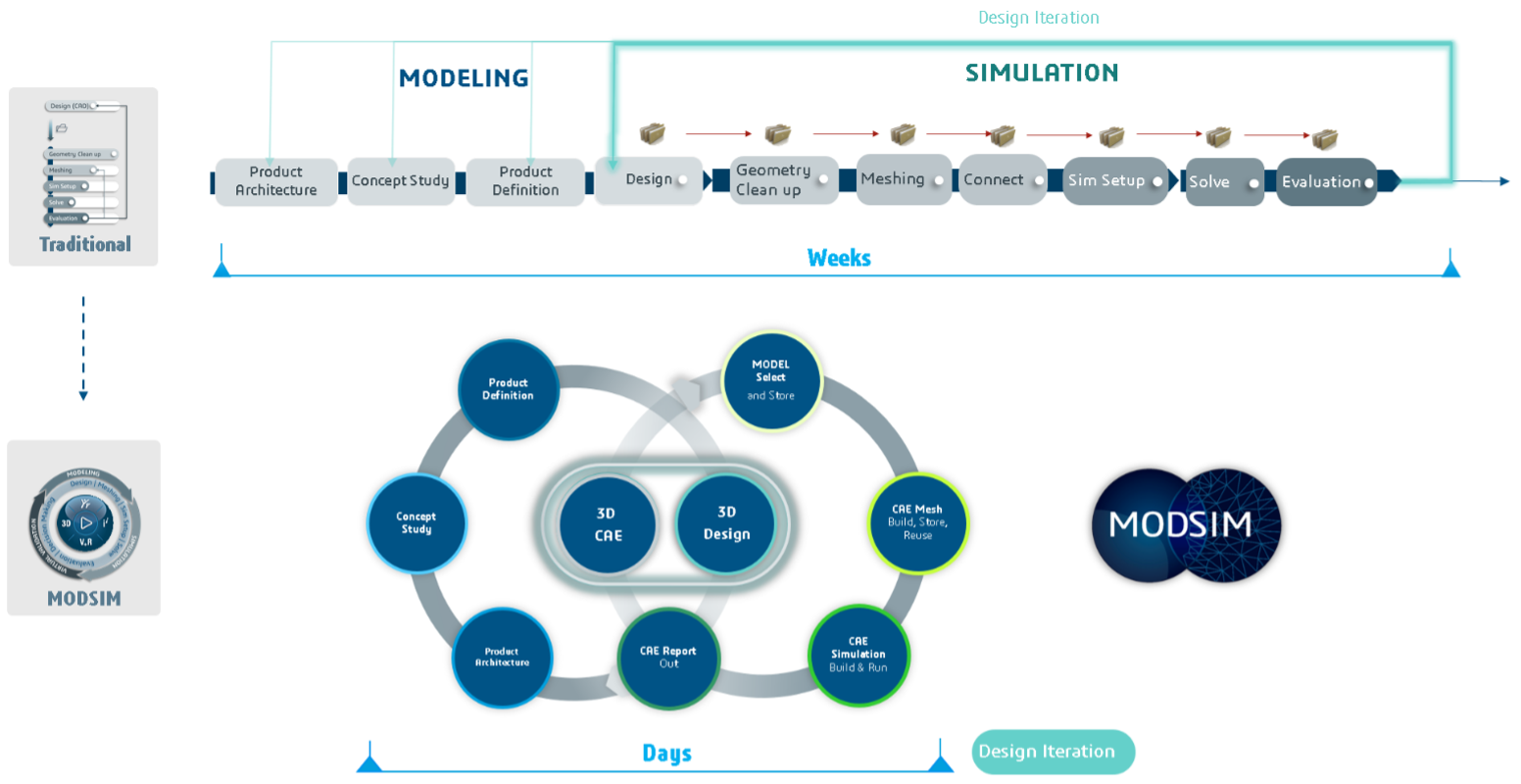
Figure 2—MODSIM Eliminates the Need for CAD / CAE Data Transfers, Reducing Manual Errors and Accelerating Design Exploration and Optimization
(Courtesy Dassault Systèmes)
A Case Study: Development of an E-Drive
The case study discussed below explains the benefits of a unified MODSIM approach using Dassault Systèmes' 3DEXPERIENCE platform for developing an electric drive (e-drive).
- Unified Workflow: A unified modeling and simulation workflow on a single platform for managing requirements, specifications, design, simulations, and verification was used to develop the e-Drive. The platform offers visualization of relationship between project aspects like simulations and their corresponding reports. This unified approach ensures traceability from top-level requirements, such as vehicle speed and charging time, down to specific e-drive technical specifications, such as magnet slot height and angle.
- Developing a Mass-Market Motor from a Virtual Performance Model: The process of evaluating the performance of an e-drive design to meet the functional requirements of a mass-market motor involves the following key steps.
- Modifying Requirements—Adjusting high-level requirements like charging time and acceleration for the mass-market version. The platform allows users to accurately simulate the impact of these requirement changes across different levels of the design, from the vehicle level down to the subsystem and components.
- Leveraging Existing Data—Using data from previous design-of-experiments conducted on the virtual performance motor accelerates identifying a suitable starting point for the new design. The platform enables the application of these parameters to the existing model with a single click, initiating the design update.
- Automated Design Updates—The parametric nature of the model on the platform facilitates automatic updates to all aspects of the design, including the mesh needed for simulation, based on the new parameters.
- Simulation and Testing—After the design update, existing simulations can be rerun to evaluate the performance of the e-drive design. Results are compared against the test plan, and any discrepancies can be addressed by raising change requests directly within the platform.
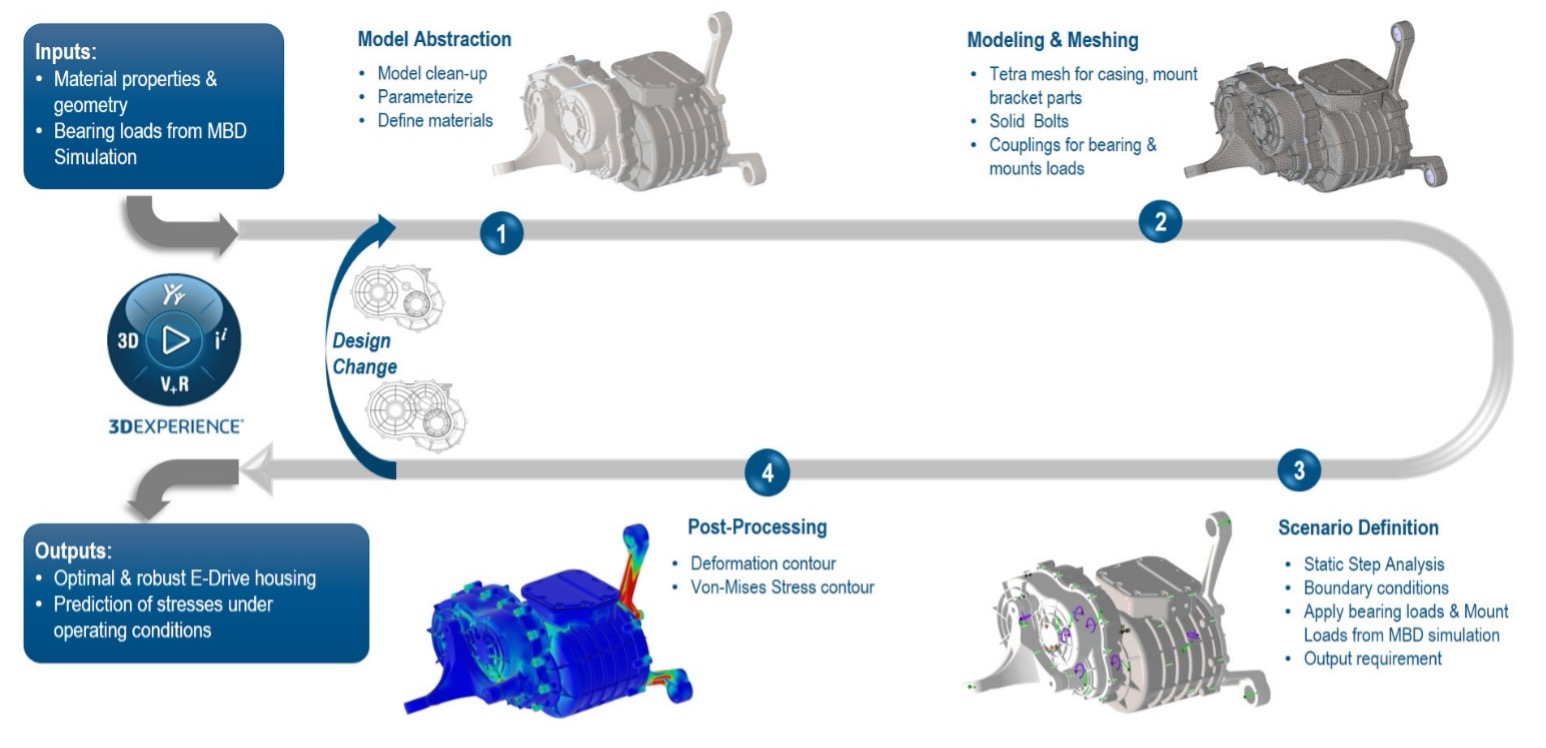
Figure 3—A Unified Workflow for Design and Simulation of an Electric Drive on the 3DEXPERIENCE Platform
(Courtesy Dassault Systèmes)
Benefits of MODSIM on the 3DEXPERIENCE platform:
- Knowledge and know-how—Using templates to capture and embed approved simulation processes enables the democratization of simulation so casual users can quickly evaluate design performance and confidently make design modifications.
- Reduced Development Time—Reusing existing data and automating tasks like mesh generation and design updates significantly accelerate development processes.
- Improved Collaboration—A shared platform facilitates seamless communication and data exchange between design and engineering teams, leading to faster issue resolution and better design decisions.
- Enhanced Traceability—The ability to trace requirements and design decisions throughout the development process ensures the final product meets all specifications and performance targets.
This case study effectively demonstrates the approach of unifying all product design requirements and functions to optimize product performance for its end goal in the same environment and on a common data model. It will likely provide product development organizations with significant benefits over the traditional iterative design and simulation methods.
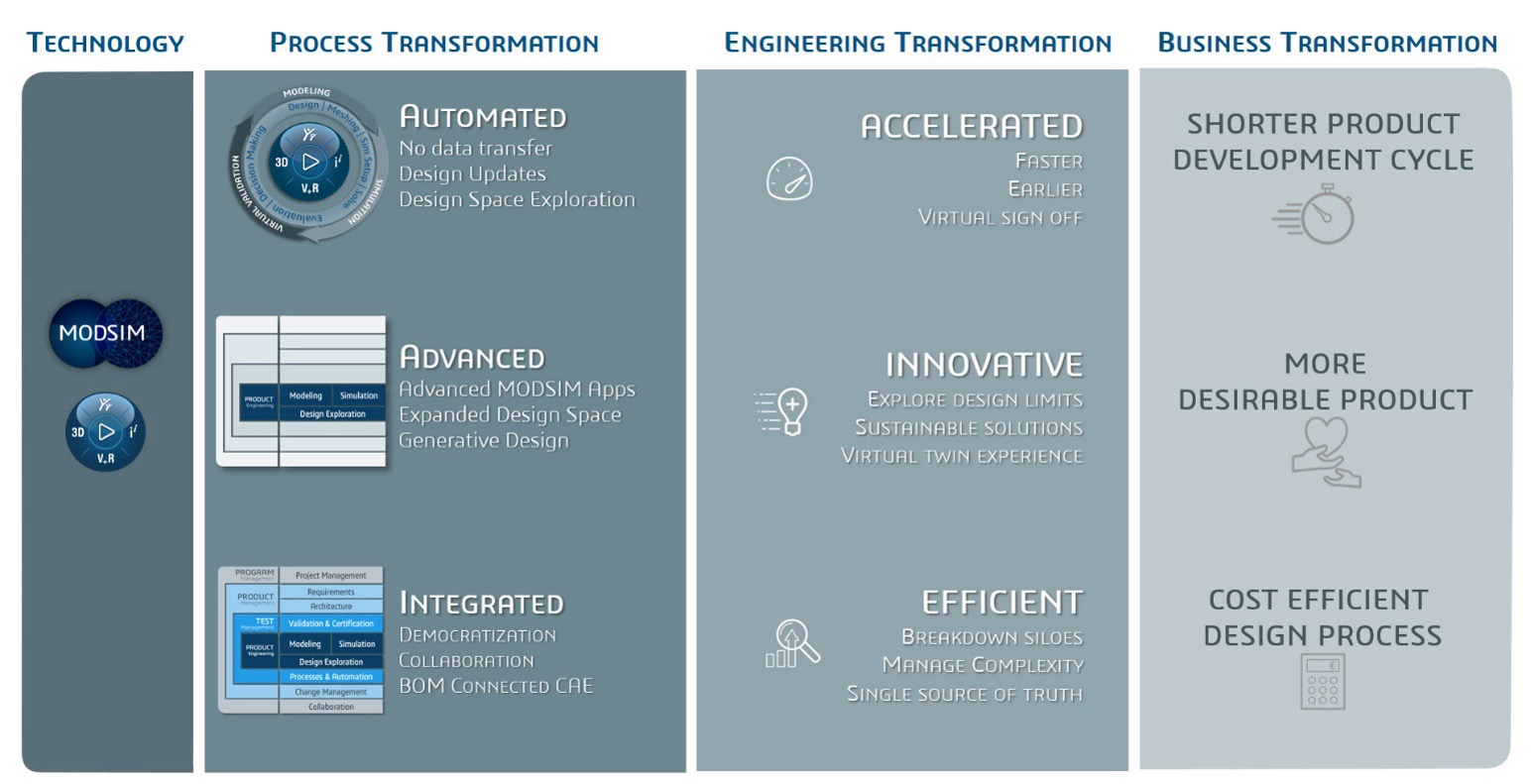
Figure 4—Process, Engineering, and Business Transformation Enabled with MODSIM on the 3DEXPERIENCE Platform
(Courtesy Dassault Systèmes)
Concluding Remarks
The MODSIM technology and related processes from Dassault Systèmes, have the potential to transform the product development landscape by unifying modeling and simulation on a common data model, allowing seamless collaboration and democratizing simulation for non-experts. This unified approach can help businesses overcome the bottlenecks of traditional, manually intensive design and simulation workflows, empowering them to accelerate development cycles, reduce costs, and deliver more innovative and sustainable products. As product engineering organizations continue to navigate the complexities of the modern, global market, CIMdata suggests exploring using MODSIM for driving innovation, efficiency, and competitiveness.